Thursday, September 17, 2015

GROWING IDEAS By Michael Sage

GROWING IDEAS
By Michael Sage

Your mind at peace - lazing around a crackling campfire,
Deep within - a thought of something to which you aspire.
The dawning of a new idea - you feel the spark of a little fire,
Growing bigger day by day - until it’s a fully-fledged desire.

Stoke the coals within - let the flames engulf you like wildfire,
Keep on stoking - never allow the flames of desire to expire.
Seek what you need - don’t be shy to ask for help or to enquire,
For lack of information - can force your pursuit to misfire.

Sink your teeth into your desire - like a unforgiving bloodthirsty vampire,
Exercise your brains - allow your dendrons to rewire.
Mull your mind - work it hard - allow it to perspire,
While gathering information - which you need and must acquire.

Times will come that will be tough – like treading through a soggy quagmire,
Persistence is the thing - which you will then most require.
Dream stealers will attempt to hold you back - hoping your ideas will backfire,
Believe in yourself - unwaveringly - and stick with people that inspire.

You’ll be amazed at what you can achieve - and what will transpire,
The end result  - your pride and joy - for all and sundry to admire.
The castles you’ve built  - the dynasty you’ve created - what an empire,
The completion of your task - before you lay down and retire.

http://www.inspirational-quotes-and-poems.net/success-poems.html

Family Canteen
Veianet Online Store
Love Crisis
Free to Join To Earn

Sunday, September 13, 2015

Moment Of Creation

Why can not we see the moment of creation of the universe?

You've probably heard that seeing the sky is equal to seeing in the past. Even the moon we see is a picture of a second old. Sun warms us in pleasant sunny afternoon actually look at our star since eight minutes. That is such a dramatic example is the Andromeda Galaxy. When we look through a telescope, in fact we see the appearance of Andromeda from 2.5 million years ago.
moment of creation of the universe
This happens because of the speed of light which is final and is 300.000km / sec. Because the distance of distant objects we measure using light, ie on the basis of how well it is necessary to come to the observer.

Using this idea, and given that the Big Bang occurred about 13.7 billion years ago, we are not supposed to see the creation of the universe if you equip with very good equipment?

The answer is no.
moment of creation of the universe
The reason is simple and stems from the fact that in the real moments after the Big Bang, the light simply did not exist. Photons have occurred after the weak nuclear force and electromagnetic force are separated. However, they would not have seen anything, because the whole universe will be thick because new found light will not be able to travel freely.

From 10 seconds to 380 thousand years after the Big Bang, the universe photons, neutrons, protons and atoms and established future. After that, the space has reached a low enough temperature to create a first element on which the light first started to travel freely. Just then our universe became visible, and it is the earliest moment of existence which we can observe.

The first light has its own name - called microwave background radiation, and it's the oldest thing we can see, thanks to the special instruments such as WMAP and Planck spacecraft.

---------------------OUTSIDE SOURCE-------------------------

Family Canteen
Veianet Online Store
Love Crisis
Free to Join To Earn

Saturday, September 12, 2015

Hoàng Yến Chibi thất hứa với Thu Trang

Hoàng Yến Chibi thất hứa với Thu Trang

Giám khảo Thu Trang tỏ ra thất vọng trước phần thi ở vòng Hóa thân 2 của Hoàng Yến trong chương trình Tôi là diễn viên.
Tập 6, vòng Hóa thân 2 của chương trình Tôi là diễn viên tiếp tục mang đến những màu sắc thú vị cùng tiếng cười cho khán giả với phần thi của 5 thí sinh: Tâm Anh, Lại Thanh Hương, Hoàng Yến Chibi, Minh Đăng, Thế Yan.
Chưa thoát khỏi hình ảnh một cô bé đẹp, trong sáng, Hoàng Yến tiếp tục hóa thân thành cô nàng Bạch Tuyết  bị mắc mưu mụ phù thủy độc ác. Diễn cặp với Hoàng Yến trong phần thi này là nghệ sĩ Hạnh Thúy.
Hoàng Yến Chibi thất hứa với Thu Trang
Phá cách với phiên bản cũ, mụ phù thủy xuất hiện khá ấn tượng và độc ác trong tạo hình Tiên hắc ám. Mặc dù được đầu tư khá kỹ cho trang phục và đạo cụ, nhưng tiểu phẩm này chưa mang lại màu sắc hấp dẫn cho người xem.
Thường xuyên dành nhiều lời khen cho Hoàng Yến, nhưng lần này giám khảo quyền Linh đã có những nhận xét không tốt : “Tâm lý cô Bạch tuyết của bạn không ổn định. Tôi không biết bạn diễn thế nào, mở không ra mở, kết không ra kết.” Tuy vậy, Quyền Linh vẫn quyết định đồng ý 1 sao cho Hoàng Yến  để vào vòng trong.
Hoàng Yến Chibi thất hứa với Thu Trang
Giám khảo Thu Trang tỏ ra thất vọng trước phần thi này của Hoàng Yến. Ở  vòng Solo, Hoàng Yến đã không thuyết phục được Thu Trang và NSND Đào Bá Sơn, tuy nhiên  cô nàng đã hết lời và tự hứa sẽ diễn tốt hơn và lột xác ở vòng sau. Chính điều đó đã khiến NSND Đào Bá Sơn thay đổi quyết định và tin tưởng Hoàng Yến. Mặc dù ở vòng Solo, Thu Trang không đồng ý cho Hoàng Yến, nhưng lời hứa của cô nàng vẫn được vị giám khảo nhớ rõ.
Nhận xét về phần thi Hóa thân của Hoàng Yến, Thu Trang cho biết: “ Ở vòng trước  em có hứa sẽ diễn sâu hơn và lột xác, nhưng qua tiểu phẩm này, chị chưa thấy được những thay đổi của em. Em diễn bất chấp cả tâm lý nhân vật.”. Vẫn giữ nguyên quan điểm của mình, Thu Trang không đồng ý trao ngôi sao cho Hoàng Yến.
Hoàng Yến Chibi thất hứa với Thu Trang
Lấy nước mắt khán giả ở vòng thi Solo về bi kịch của những đứa trẻ bị mẹ từ bỏ khi còn trong bụng, thí sinh Tâm Anh tiếp tục “hạ gục” bộ tứ giám khảo bằng tiết mục hài hước và đầy bất ngờ. 
Ở tập 6, Tâm Anh lột xác hoàn toàn khi giả gái, hóa thân thành mụ phù thủy bạch tuột tìm mọi cách để đoạt lấy giọng hát của nàng tiên cá, vì muốn quyến rũ một vị hoàng tử. Tuy nhiên, khi gặp hoàng tử rồi, mụ phù thủy mới nhận ra chàng Hoàng tử mình hằng mong là “trai cong”. Tiểu phẩm dựa trên câu chuyện cổ tích Nàng tiên cá quen thuộc nhưng  được biến tấu hài hước nhằm mang đến tiếng cười cho khán giả.
Hoàng Yến Chibi thất hứa với Thu Trang
Phần thi này được hướng dẫn và hỗ trợ bởi diễn viên Long đẹp trai và cô bạn thân Cẩm Hò. Chính sự kết hợp khá nhuần nhuyễn giữa thí sinh và các diễn viên khách mời đã giúp Tâm Anh đạt được số điểm tuyệt đối .
Giám khảo Chí Tài hết lời khen ngợi dành cho Tâm Anh và cho rằng thí sinh này giả gái quá xuất sắc. Giám khảo Thu Trang nhận xét tiểu phẩm này khá tốt, tuy nhiên Tâm Anh cần có điểm nhấn hơn nữa và tránh diễn lướt. Bên cạnh đó, NSNN Đào Bá Sơn phải thốt lên rằng: “ Nếu ở Việt Nam, có những vở kịch phương Tây mà không mời em là một sai sót.”
Hoàng Yến Chibi thất hứa với Thu Trang
Lần đầu tiên diễn chung sân khấu với các diễn viên gội cội như nghệ sĩ Hạnh Thúy, diễn viên Long đẹp trai Thế Yan tỏ ra khá lúng túng khi hóa thân thành một nhân viên văn phòng đi xin việc. Nội dung tiểu phẩm lấy từ câu chuyện “Chọn người từng thất bại 18 lần vào làm việc, tại sao không?”, Thế Yan mang đến những bài học quý giá về sự thành công và cách nhìn người trong xã hội.
Hoàng Yến Chibi thất hứa với Thu Trang
Phần thi này cũng mang đến nhiều ý kiến trái chiều của các vị giám khảo. Quyền Linh, NSND Đào Bá Sơn cho rằng tiểu phẩm này hơi vô lý ở cách dàn dựng. Trong khi đó Thu Trang và Chí Tài dành lời khen vì sự tiến bộ của Thế Yan.
Chia sẻ với ban giám khảo, Thế Yan cho biết: “ Hôm nay em rất vui vì được lần đầu diễn chung với các anh chị gạo cội trong nghề.  Chính vì vậy, nếu có nhiều đất diễn hay ít đất diễn em cũng khớp. Quan trong là em đã làm được những điều mình mong muốn.” Kết quả, Thế Yan nhận được 3 sự đồng ý của giám khảo ngoại trừ Quyền Linh.
Hoàng Yến Chibi thất hứa với Thu Trang
Thay đổi từ ngoại hình đến phong cách biểu diễn, Lại Thanh Hương bất ngờ lội ngược dòng khi đang là thí sinh nữ có điểm số thấp nhất ở vòng Solo. Xây dựng kịch bản khá đơn giản nhưng mang tính hài hước cao, Lại Thanh Hương hóa thân thành một cô phục vụ bàn ăn mặc quái đảng, trang điểm kinh dị và có cách tiếp khách không giống ai.
Hoàng Yến Chibi thất hứa với Thu Trang
Phần thi của Lại Thanh Hương trong vòng này được đánh giá có sự tiến bộ dù đây là lần đầu tiên thí sinh này đóng vai hài.
Giám khảo Quyền Linh nhận xét: “So với những lần trước, lần này em diễn sâu và có bước tiến hơn. Mặc dù nó còn chậm. Tôi đồng ý cho em vì thấy được sự nỗ lực của em trong cuộc thi này”. Kết quả, lại Thanh Hương nhận được được số điểm tuyệt đối và rút ngắn khoảng cách với các thí sinh còn lại.
Hoàng Yến Chibi thất hứa với Thu Trang
Mang đến thông tin thú vị về tình trạng nghiện chơi facebook của giới trẻ, Công chúa ngủ trong rừng là thử thách mới của Minh Đăng trong vòng thi Hóa thân. Bên cạnh đó, khán giả đã vô cùng bất ngờ với lối diễn xuất và tạo hình  “bá đạo” của nghệ sĩ Hạnh Thúy khi hỗ trợ cho Minh Đăng.
Hoàng Yến Chibi thất hứa với Thu Trang
Góp mặt trong tập 6, vòng Hóa thân 2 của chương trình Tôi là diễn viên, Hari Won mang đến không gian âm nhạc đầy sôi động với ca khúc “Hương đêm bay xa”.
Hoàng Yến Chibi thất hứa với Thu Trang
Kết thúc phần biểu diễn của Hari Won, Mc Bình Minh phải nhờ giám khảo Quyền Linh và Thu Trang “trấn tỉnh” lại Chí Tài vì anh đang đắm đuối nhìn nữ ca sĩ. Hari Won hài hước nói : “ Hari không nghĩ anh Chí Tài đang nhìn mình đâu, vì Hari thấy các thí sinh ở cuộc thi Tôi là diễn viên có nhiều người đẹp hơn, xinh hơn mình mà.”.
Hoàng Yến Chibi thất hứa với Thu Trang
Ngoài ra, Hari còn cho biết mình rất vui vì hôm nay mình thể hiện ca khúc này tốt hơn rất nhiều. Giám khảo Quyền Linh còn nhận xét rằng hôm nay Hari rất dễ thương và  anh  không chỉ thích mà còn thần tượng Hari từ lâu.
Hoàng Yến Chibi thất hứa với Thu Trang
(Phương Linh/theo TGĐA)
(Ảnh: Phan Thành Nhân)
Last Updated: May 18 2015
Last Login: 9/12/2015 12:14:44 AM

Family Canteen
Veianet Online Store
Love Crisis
Free to Join To Earn

Friday, September 11, 2015

CV vs. Resume

CV vs. Resume: The Difference and When to Use Which


Ever wondered why a Brit applies with a CV and an American with a resume? And why does an Aussie apply with both? There are a few differences between the two types of application documents and this article will straighten out your queries as well as tell you where in the world you are likely to use which document. Let me kick off the bonanza by introducing the contender in the blue corner…

CV:

A CV (Curriculum Vitæ, which means course of life in Latin) is an in-depth document that can be laid out over two or more pages and it contains a high level of detail about your achievements, a great deal more than just a career biography. The CV covers your education as well as any other accomplishments like publications, awards, honours etc.
The document tends to be organised chronologically and should make it easy to get an overview of an individual’s full working career. A CV is static and doesn’t change for different positions, the difference would be in the cover letter.

Resume:

A resume, or résumé, is a concise document typically not longer than one page as the intended the reader will not dwell on your document for very long. The goal of a resume is to make an individual stand out from the competition.
The job seeker should adapt the resume to every position they apply for. It is in the applicant’s interest to change the resume from one job application to another and to tailor it to the needs of the specific post. A resume doesn’t have to be ordered chronologically, doesn’t have to cover your whole career like and is a highly customisable document.

Differences:

As stated, three major differences between CVs and resumes are the length, the purpose and the layout. A resume is a brief summary of your skills and experience over one or two pages, a CV is more detailed and can stretch well beyond two pages. The resume will be tailored to each position whereas the CV will stay put and any changes will be in the cover letter.
A CV has a clear chronological order listing the whole career of the individual whereas a resume’s information can be shuffled around to best suit the applicant. I would say the main difference between a resume and a CV is that a CV is intended to be a full record of your career history and a resume is a brief, targeted list of skills and achievements.
Let’s revise:
CV – long, covers your entire career, static
Resume – short, no particular format rule, highly customisable

Usage around the world:

A resume is the preferred application document in the US and Canada. Americans and Canadians would only use a CV when applying for a job abroad or if searching for an academic or research oriented position.
In the UK, Ireland and New Zealand, a CV is used in all contexts and resumes aren’t used at all. The CV prevails in mainland Europe and there is even a European Union CV format available for download.
In Germany, the CV is more commonly known as a Lebenslauf (true to the latin origins) and is only one of many application document the poor German job seekers must produce to get an interview.
In Australia, India and South Africa, the terms resume and CV are used interchangeably. The term resume is used more for jobs in the private sector and CV is more commonplace when applying for public service positions.

Question:

So what gives if you apply for an American company in Europe or vice versa? The jaded folks in HR will accept both types although I would recommend you use the local version. It’s not that hard to convert your document after all and if you hit a brick wall, just ask me for help.
Which do you prefer, the CV, the resume, both, none? Please share your experience in the comments below!

Family Canteen
Veianet Online Store
Love Crisis
Free to Join To Earn

Monday, August 31, 2015

Wonderful Handmade Polymer Clay Animal Rings

Wonderful Handmade Polymer Clay Animal Rings


animal themed polymer clay jewelry wonderfuldiy2 Wonderful Handmade Polymer Clay Animal Rings
How cute are these mini animal rings !  Artist from Japan Jiro Miura making funny, fine jewelry made from polymer clay. This is tiny beasts.  It’s amazing .These super cute animal rings products sell under the brand name “Count Blue”. Cost of each product is $ 15 to $ 200.
1 Wonderful Handmade Polymer Clay Animal Rings1-1234678911121551101131Here are some polymer clay craft projects that you cake make it by yourself, they are great for kids !
animal-themed-polymer-clay jewelry-wonderfuldiy
-------------------BY OUTSIDE SOURCE ------------
Family Canteen
Veianet Online Store
Love Crisis
Free to Join To Earn

Monday, July 27, 2015

May I Kiss You?

MAY I KISS YOU ? by Janette


080968eff9072c38962434ce2dc15371 (604x453, 47Kb)

MAY I KISS YOU ?
I ask if I may kiss you.
You just smile; no answer is necessary.
My initial kiss is just a flirting of our lips.
My tongue lightly flicking -
Like I am asking, "Do you want me?"
The tip of my tongue runs all around your lips.
Touching every part,
Inside and out -
Over and over again.
Tickling you, tickle, tickle, goes my tongue.
Now I press my lips gently to yours.
Rubbing your lips back and forth against mine.
My kisses are hot and fast.
I cannot rest long in any one place.
I have such a need to go on.
I trail kisses of passion all over your face.
Then back to your mouth.
Our tongues dance together.
We are exploring.
I circle your tongue with the tip of mine.
You echo the pattern back to me.
I lick the sides, underside and the top.
You echo back.
I suck your lower lip.
You echo back.
We repeat, repeat, repeat.
The sensations are driving our emotions.
We are wild for each other.
You thrust your tongue in and out.
The movements are rhythmic and stabbing.
Simulating our love making during mating.
I ask again, do you want me?
I can tell that you do.
No words are necessary.


Family Canteen
Veianet Online Store
Love Crisis
Free to Join To Earn

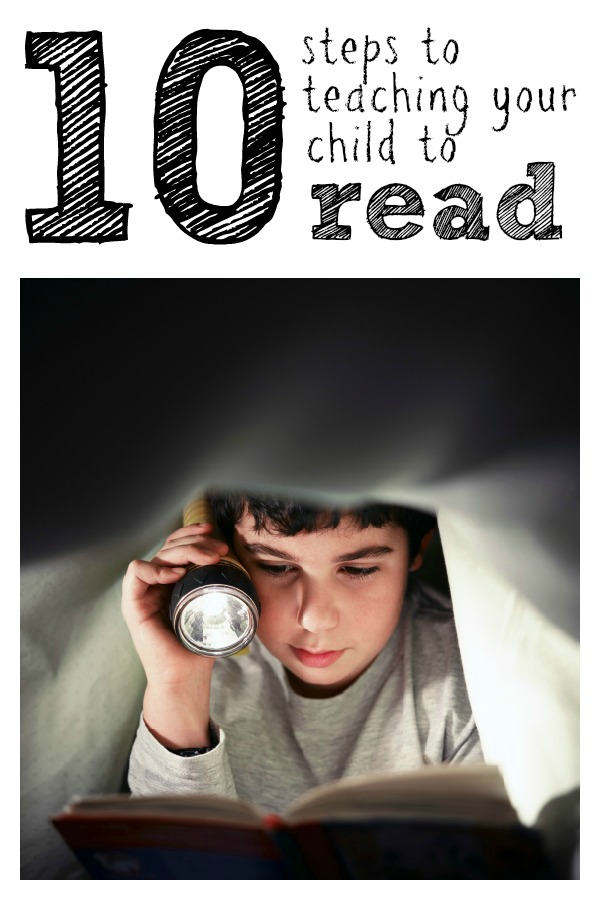
10 Steps to Teaching Your Child to Read

10 Steps to Teaching Your Child to Read


10 Steps to Teaching Your Child to Read

*Update:  I have written a more comprehensive eBook with specific strategies you can use to teach your child to read.  Get the eBook I Can Teach Teach My Child to Read:  A 10-Step Guide for Parents as a PDF or Kindle version.

As a former first grade teacher, teaching children to read is one of my greatest passions! But because most children don’t start actually “reading” until around 6 years old (which is upwards of the targeted age range for my blog), I didn’t want parents to feel pressured that their 3-year old needs to start reading (which, by the way, they don’t!). However, the information shared below is general information that is beneficial for children of all ages, whether your child is ready to read or not. Don’t implement all of these strategies at once, nor should you expect your child to be able to do everything right away.  It is a process and this information is simply for you to implement when you feel your child is ready.  

Please also recognize that although the suggestions below are labeled as “steps”, they are not necessarily in consecutive order, nor are they in order of importance.  The information you will find here is simply a guide to help you see how each of the components of reading fit together!
1.  Read to your child
Teaching your child to read is truly a process that begins at infancy. (No, I am most certainly NOT advocating programs that claim to teach your baby to read using flashcards!) What I AM encouraging you to do is to begin reading with your newborn within days of welcoming her home! Not only is this a special bonding time for the two of you, it instills in her a love for books. Enjoyment while reading is one of the single greatest predictors of reading success in school-age children. If children don

’t learn from an early age to enjoy reading, it will most likely hinder their ability sometime down the road.
10 Steps to Teaching Your Child to Read
How much you read to your child is completely up to you and your family, but aim to read at least 3-4 books a day, even while your child is very young. As she gets a little older and can sit for longer stretches of time, make it a family goal to read together for at least 20-minutes each day.
Here are a few suggestions for the types of books to read to your child. But by all means, read whatever your child responds to and enjoys!
  • Birth-1 Year: Lullabies, Board Books (with real pictures), Cloth Books (with various textures), Song Books
  • 1 Year-3 Years: Rhyming Books, Song Books, Short-Story Board Books
  • 3 Years-5 Years: Alphabet Books, Song Books, Picture Books, Rhyming Books


2.  Ask questions
Asking questions while reading to your child is not only great for encouraging your child to interact with the book, but it is also extremely effective in developing his ability tocomprehend what he is reading. You see, if our main objective in “reading” is getting our child to “sound out” words, we have missed the boat entirely. Even children who can decode words and “read” with great fluency still might not be able to comprehend what they are reading. If a child can’t comprehend what he is reading, there really is no point to reading at all!
While your child is a baby, ask him questions such as, “Do you see the cat?” while pointing at the picture of the cat. This will not only develop his vocabulary, it will also encourage him to interact with the book that he is reading. As he gets older, ask him to point to things in the book himself and make the noises of the animals he sees.

10 Steps to Teaching Your Child to Read


Once your child is about 2 or 3-years of age, begin asking questions before, during, and after reading the book. Show your child the cover of the book and ask him what he thinks it is going to be about (predicting). While reading, ask him what he thinks is going to happen or why he thinks a character made a particular choice (inferring). If a character is depicting a strong emotion, identify that emotion and ask your child if he has ever felt that way (connecting). At the end of the book, ask if his prediction(s) came true. Afterwards, ask him to tell you what he remembered happening in the book (summarizing).
Modifying each of these techniques during read-alouds to meet the developmental stage of your child is a great way to promote and increase reading comprehension!


3.  Be a good (reading) example
Even if your child is fascinated with books from an early age, her fascination will quickly dwindle if she does not see reading modeled in her home. If you are not an avid reader yourself, make a conscious effort to let your children see you reading for at least a few minutes each day! Read a magazine, a cookbook, a novel, your Bible…it’s up to you! But show your child that reading is something that even adults need to do. If you have a son, share this article with your husband. Sons need to see their fathers read, especially since it is not something that young energetic boys are naturally prone to doing.
10 Steps to Teaching Your Child to Read


As parents, we can sometimes get wrapped up with what exactly our children should be doing to be successful. But we often forget that children often learn by example. Grab a book and take a load off…for your child’s sake, of course!
4.  Identify letters in natural settings
Before our boys were born, we painted and hung large wooden letters spelling their name above the cribs as a decorative accent in their rooms.  I would have never guessed that those wooden letters would have such a learning incentive for Big Brother!  Around age 2.5, he began asking what letters were above his name.  That’s honestly how he learned to spell his name…and he can spell his brother’s name too because he has taken an interest in his letters as well.  In technical terms, this is called “environmental print” and includes all of the print we are surrounded by–fast food signs, labels, traffic signs, clothing, magazines, etc.


10 Steps to Teaching Your Child to Read


Often times, we want to force our children to learn letter names by a certain age.  We buy flashcards or DVDs claiming to teach our children their letters.  We drill our 2-year old over and over for minutes on end.  Don’t buy into this…allow your kid to be a kid and take advantage of the “teachable moments” as they come along!  Children’s minds are like sponges and are certainly capable of memorizing the alphabet from drilling, but that’s not the most effective method that will produce the best long-term results. Your child will be curious about the print he sees around him and will ask questions.  That’s your chance to jump in with a practical application that actually has real meaning and significance to your child.
Don’t misunderstand me and think that I don’t think learning the alphabet is important.  It is certainly important…but the method in which we teach them is evenmore important!  Always keep in mind that our ultimate goal is to foster a lifelong learner who loves to read, not a child who has simply memorized without any significance.


5.  Incorporate multiple domains of development
Children learn best when multiple senses or areas of development are included.  That’s why hands-on learning produces longer retention and more meaningful application.  Once your child has shown an interest in letters and you have already begun to utilize natural settings for identifying those letters, begin implementing activities that incorporate as many senses as possible.  Keep in mind that learning letter names isn’tnearly as important as learning their sounds!
There are a plethora of ways to incorporate multiple domains of development in regards to letter recognition and early-reading skills.  Alphabet crafts allow your child to learn the shape of a letter along with an association of the sound it makes all the while utilizing fine motor skills in the process of cutting, gluing, and creating!   Playing games that involve gross motor skills (like tossing beanbags on the appropriate letter) are also wonderful ways to include movement.  Of course, every child loves songs and rhymes!  Take an inventory of your child’s strengths and areas of interest and target activities to fit them!

10 Steps to Teaching Your Child to Read


6.  Classify the Genre
Once your child is around 5 and can recognize the difference between real and make-believe, I would suggest starting to help your child understand various genres of books during your reading time together.  This might seem complicated, but it’s really not.  There are around 5 different genres of children’s books that I would encourage you to point out to your little one.  Of course you can use the term “type” rather than “genre” if that is easier to remember.
  • Nonfiction (real stories or facts about animals, places, people, etc)
  • Fantasy (make-believe, can’t happen in real life because of magic, talking animals, etc)
  • Realistic Fiction (a made-up story, but it could technically happen in real life because the characters and situations arebelievable)
  • Alphabet Books 
  • Song Books
10 Steps to Teaching Your Child to Read

When children classify a book into a certain genre, they have to first summarize the book in their head and recall details.  Then they have to use that information to decide which type of genre that particular books fits into.  Finally, your child will be recalling details from other books in the same genre, making connections between the two.  This simple activity that might take 5-10 seconds of your time after reading a book but it certainly packs a punch of thought and processing in that young brain!

Also, it’s important to note that not all books will fit into one of these genres, especially books that are considered “phonics readers.”  I would suggest that you do this exercise only with high-quality children’s literature, not with books that are attempting to get your child to “sound-out” on their own.  Most picture books found in children’s libraries will fit into one of these genres.
Remember, our goal is for our children to learn to comprehend what they’re reading…otherwise reading will honestly do them little good.  When we encourage our children to think about and process the book we’ve just read together, we are inadvertently modeling what we hope they’ll one day do independently!

7.  Word Families
To put it simply, word families are words that rhyme.  Teaching children word families is a phonemic awareness activity that helps children see patterns in reading.  This is an important skill because it allows children to begin “reading” by grouping sets of letters within a word.  The first part of a word is called the onset and the last part of the word is conveniently called the rime.  Word families share a similar “rime” as the onset changes.
Once your child recognizes the word “mop”, he’ll then have an advantage to reading all of the other words that have the same rime (top, pop, stop, cop, hop) because only one letter is changing.  Plus, recognizing rhyming words is a great language skill in and of itself!

10 Steps to Teaching Your Child to Read
Check out this Word Family Game


8.  Phonemic Awareness and Phonics
“Phonemes” are the smallest sounds in the English language (go here for a complete list of phonemes).  These sounds are made up of consonants, short vowels, long vowels, and digraphs.  “Phonemic Awareness” consists of learning those sounds and how to manipulate them within a word.  Digraphs are unique sounds comprised of individual letters like /th/, /sh/, /ch/, etc.
“Phonics” includes learning how to spell those sounds and the various rules that the English language follows.  Phonics is an important components of reading/spelling, but it should never be the main focus.  Again, we are looking to balance our literacy “program” with reading comprehension as the end result.  Learning the rules of phonics is simply a tool that helps a child learn to decode and spell.  I used the Pathways to Reading program in the classroom as my phonemic awareness and phonics program and loved it!  It made learning all of the tricky spellings so much fun, but I wouldn’t recommend it until your child is in kindergarten or first grade.

9.  Decoding


Decoding is often referred to as “sounding it out.”  This is an important element in teaching your child to read, but it certainly isn’t the most important.  Once your child knows the sounds each letter makes (which is taught in real, meaningful situations), she is ready to begin putting words together.  When looking at a short word, encourage her to say each individual sound /b/, /a/, /t/,  and then put them together “bat”.
As children decode words with more frequency, they will become more proficient at automatically identifying that word.  Sometimes this task is tedious, though, so it’s important to find creative ways to make it fun.  When I taught first grade, I used to buy little finger puppets that my students could use to point to the letters as they were decoding.  This was a huge hit and made this process so much fun!


10 Steps to Teaching Your Child to Read
Find these finger puppets and more at Oriental Trading

10.  Sight Words
Sight words, also known as high-frequency words, are the most common words in our written language are are often difficult to decode phonetically because they don’t follow the rules of phonics.  Because of this, they must be memorized.  As I’ve shared with you before, I am not an advocate of rote memorization for optimal learning because I feel it only utilizes the lowest level of cognitive processes.  However, sight words must be memorized in order for your child to become a fluent reader.  There are a few popular lists of sight words that individual researchers have found beneficial, including the Dolch List and the Fry List.  Don’t get overwhelmed when looking at this list…just start working on a few words at a time when you feel your child is ready.
sight words
Activities like Sight Word Bingo can help make memorizing sight words more fun!


As you’ve probably noticed, there is no “magic formula” for teaching your child how to read.  The points we’ve discussed in previous posts have highlighted simple, effective strategies that are easy to modify for your child.  After all, every child learns differently!  This series is not to be used as a “checklist” and think that once you’ve covered all the strategies your child will be proficiently reading.  Rather, this series provides valuable information to you so that you can guide your child while creating a print-rich, learning environment to foster his/her growth as a reader.  Don’t rush and don’t stress!  While it’s important to take advantage of the prime-learning time, it’s even more important to let your kid be a kid!
In summary, here are some practical suggestions you can implement every day based on the strategies shared with you in this post and previous posts.  Obviously, you can’t implement all of these suggestions with children of all ages, so use your judgement about what is best for your child.
  • Read to your child every day!
  • Ask your child questions before, during, and after reading.
  • Let your child see you reading.
  • Look for letters while out and about and in the environment around you.
  • When teaching letters and letter sounds, incorporate as many senses as possible.
  • Read a variety of books and make a game out of guessing the genre.
  • Have fun rhyming!
  • Work on letter sounds and manipulating them within words (phonemic awareness)
  • Encourage your child to sound out short words (consonant, vowel, consonant).
  • Practice memorizing a few sight words each day.
  • Most of all, have fun together!

Family Canteen
Veianet Online Store
Love Crisis
Free to Join To Earn